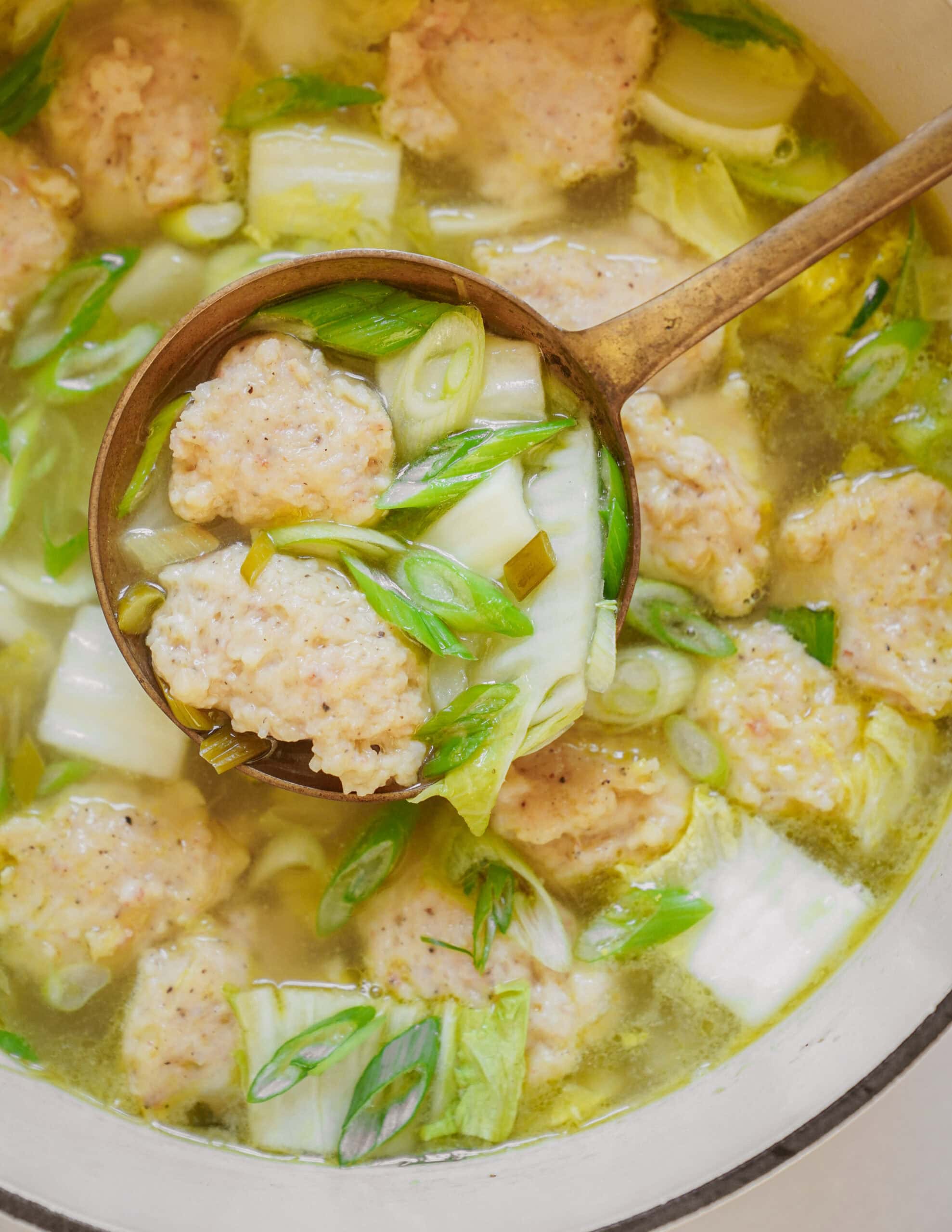
Homemade Shrimp Balls Soup: A Journey to Culinary Perfection
There's something uniquely satisfying about a bowl of warm, comforting soup, especially when it features delicate, perfectly bouncy homemade shrimp balls. This
Asian-inspired shrimp balls soup is more than just a meal; it's an experience – a harmonious blend of savory broth, tender vegetables, and those irresistible, springy morsels of shrimp. If you’ve ever yearned for that authentic texture found in your favorite Asian restaurants, you're in the right place. We're about to unlock the secrets to mastering homemade shrimp balls soup, ensuring every bite delivers that coveted bouncy delight. Get ready to elevate your home cooking and impress your palate with a dish that's both healthy and profoundly comforting.
Why Homemade Shrimp Balls Soup Reigns Supreme
This isn't just any soup; it's a culinary staple cherished across various Asian cultures, transforming simple ingredients into a truly satisfying feast. From the bustling streets of China to the vibrant kitchens of Vietnam and Southeast Asia, the tradition of crafting minced seafood into delicate balls and simmering them in a savory broth is a testament to its universal appeal. But beyond its rich heritage, homemade shrimp balls soup offers a plethora of benefits that make it an absolute must-try.
A Symphony of Health and Comfort
Imagine a chilly evening, and you're wrapped in a blanket, savoring a steaming bowl of this wholesome soup. That’s the kind of comfort we’re talking about. This recipe is the ultimate hug in a bowl, providing warmth and satisfaction that store-bought alternatives simply can't replicate.
Beyond comfort, this hearty soup is a nutritional powerhouse. Shrimp, the star of our show, is an incredibly lean source of protein, remarkably low in calories, and brimming with essential vitamins and minerals like selenium, iodine, and B12. It’s also rich in potent antioxidants and omega-3 fatty acids, making it a fantastic choice for supporting heart health and reducing inflammation. Plus, shrimp is surprisingly budget-friendly and incredibly versatile, lending itself beautifully to various dishes.
Complementing the shrimp, humble cabbage plays a crucial role. This leafy green is an antioxidant powerhouse, packed with vitamins K and C, and a fantastic source of fiber. It supports gut health, contributes to a strong heart, and even aids in bone health. Together, shrimp and cabbage create a nutrient-dense, protein-packed meal that truly nourishes your body. For more on the dynamic duo of shrimp and cabbage, check out our article on
Shrimp & Cabbage Power: The Healthy & Versatile Soup You Need.
Unmatched Versatility for Every Palate
One of the greatest joys of making homemade shrimp balls soup is its incredible versatility. While the core ingredients lay a delicious foundation, you have the freedom to customize it to your heart's content. Feel free to add an array of your favorite vegetables – think sliced carrots, bok choy, mushrooms, snow peas, or even spinach. Experiment with different broth bases, from a simple chicken or vegetable broth to a more complex dashi or kombu broth for added umami. Adjust the spice level with a dash of chili oil or Sriracha for an extra kick. This adaptability ensures that every bowl can be uniquely yours, perfectly tailored to your cravings.
Essential Ingredients and Equipment for Success
To embark on your journey to perfect shrimp balls, you'll need a combination of fresh ingredients and a few key kitchen tools. The quality of your ingredients directly impacts the flavor and, crucially, the texture of your shrimp balls.
The Building Blocks: Basic Ingredients
*
1 pound fresh shrimp, peeled and deveined: Freshness is paramount for both flavor and texture. Look for plump, firm shrimp with a mild smell.
*
2 egg whites: These are vital for binding the mixture and contribute to the springy texture.
*
2 tablespoons cornstarch: Another key binder that helps create that desirable bouncy consistency and prevents the balls from disintegrating.
*
1 teaspoon grated ginger: Adds a wonderful aromatic warmth and cuts through the richness of the shrimp.
*
2-3 green onions, minced: Provides a fresh, delicate onion flavor.
*
1/4 teaspoon salt: Enhances the natural sweetness of the shrimp and balances the flavors.
*
1/4 teaspoon white pepper: A classic Asian seasoning that offers a subtle, distinct warmth.
*
2 teaspoons sake (optional but recommended!): Sake adds depth of flavor and helps to tenderize the shrimp, resulting in a more succulent ball. If unavailable, a touch of dry sherry or even just omitting it is fine.
*
Optional additions for extra flavor: A tiny pinch of sugar to round out the flavors, or a dash of sesame oil for an aromatic boost.
Your Culinary Arsenal: Essential Equipment
*
Food processor or sharp knife: Your choice here dictates the texture of your shrimp paste. A food processor is quick for a smoother ball, while a sharp knife offers more control for a chunky texture.
*
Mixing bowl: For combining all your ingredients.
*
Parchment paper: Prevents the raw shrimp balls from sticking to your tray.
*
Small ice cream scoop or spoon: Helps create uniform, consistently sized shrimp balls.
Crafting the Perfect Bouncy Shrimp Balls: A Step-by-Step Guide
The secret to truly bouncy shrimp balls lies in the preparation of the shrimp and the technique used to form the mixture. Follow these steps meticulously, and you'll achieve that irresistible springiness every time.
1. Prep Your Shrimp for Perfection
First things first, let's get those shrimp ready. Start by thoroughly cleaning and deveining your shrimp. This ensures a clean taste and appearance. The most critical step here, however, is to
pat them absolutely dry with paper towels. Excess moisture is the enemy of bouncy shrimp balls; it dilutes the mixture, making it harder for the proteins to bind and for the balls to hold their shape and develop the right texture. If you're using particularly large shrimp, a rough chop into smaller pieces before processing can also be helpful.
2. Achieving Your Desired Texture
This is where the magic happens and where you decide on the ultimate mouthfeel of your shrimp balls.
*
For a Smooth Texture: If you prefer a uniformly smooth and tender shrimp ball, use a food processor. Pulse the shrimp in short bursts until finely minced, almost like a sticky paste. The key is *not to overprocess*; you don't want a completely liquified mush. The goal is to break down the muscle fibers enough to create stickiness (due to the development of myosin protein) but still retain some texture.
*
For a Chunky Texture: My personal preference, and what many consider to be the hallmark of authentic, restaurant-quality shrimp balls, is a chunky texture. This requires a bit more elbow grease but is incredibly rewarding. Hand-chop the shrimp with a sharp knife. Spread the chopped shrimp on your cutting board and continue chopping in two directions until you achieve a sticky paste interspersed with small, discernible chunks of shrimp. This method provides a fantastic "bite" and a more rustic feel. The repeated chopping helps to develop the protein structure that contributes to the springiness.
3. Mixing for Maximum Bounce
Once your shrimp is prepped to your desired texture, it's time to combine everything. Transfer the processed or chopped shrimp into your mixing bowl. Add the egg whites, cornstarch, grated ginger, minced green onions, salt, white pepper, and sake (if using). Now, mix until everything is thoroughly combined and the mixture becomes notably sticky. You're not just combining ingredients; you're developing the texture. The cornstarch and egg whites act as binders, while the salt helps extract moisture and contributes to the protein development. The stickiness is your indicator that the proteins are properly activated, promising that desired bouncy texture.
4. Forming the Balls with Finesse
This step requires a gentle touch. To prevent the sticky mixture from clinging to your hands, wet your hands slightly. Using a small ice cream scoop or two spoons, scoop about 2 tablespoons of the mixture. Gently roll it between your palms to form a smooth, compact ball. Place the formed shrimp balls onto a parchment-lined tray. This recipe typically yields around 18-20 shrimp balls, depending on their size.
Cooking Your Homemade Shrimp Balls
Once your shrimp balls are perfectly formed, you have two primary methods for cooking them, each with its own advantages.
Method 1: Direct in Soup
This is the most straightforward method, allowing the shrimp balls to cook directly in your simmering soup broth.
1. Bring your chosen soup broth to a gentle simmer – avoid a rolling boil, as this can cause the delicate balls to break apart.
2. Carefully drop the formed shrimp balls into the simmering broth.
3. Cook for 3-5 minutes, or until they float to the surface, appear opaque throughout, and are springy to the touch. Cooking them directly infuses the broth with even more delicious shrimp flavor, though it can slightly cloud the broth.
Method 2: Pre-cooking for Clarity
If you prefer a perfectly clear broth or wish to prepare the shrimp balls in advance, pre-cooking is the way to go.
1. Bring a separate pot of water to a gentle simmer.
2. Carefully drop the shrimp balls into the simmering water.
3. Cook for 3-4 minutes, or until they float and are cooked through.
4. Remove them with a slotted spoon and either add them to your prepared soup immediately or chill them for later use. Pre-cooked shrimp balls can be stored in the refrigerator for a couple of days or frozen for longer storage.
Troubleshooting: Your Path to Perfect Shrimp Balls
Even experienced cooks can encounter hiccups. Here are some common issues and how to resolve them:
*
Balls Won't Hold Shape? The mixture might be too wet. This often happens if the shrimp wasn't patted dry enough, or if your shrimp was particularly watery. Add another half teaspoon to a full teaspoon of cornstarch to the mixture and mix again. Ensure your shrimp was adequately processed to develop that essential stickiness. Sometimes, chilling the mixture for 15-20 minutes can also help it firm up.
*
Balls Too Rubbery or Hard? This usually points to over-processing the shrimp in the food processor, leading to an overly dense paste, or overcooking the balls. Shrimp cooks quickly, so stick to the recommended cooking times. Too much cornstarch can also make them dense.
*
Balls Lack Flavor? Taste your mixture before forming the balls (a tiny raw bit is fine, or cook a small test piece). Adjust salt and pepper as needed. Consider adding a dash of fish sauce or light soy sauce to the mixture for an extra umami punch, customizing it to your preference.
Embrace the Bouncy Delight!
Mastering homemade shrimp balls soup is a truly rewarding endeavor. The journey from fresh shrimp to those perfectly bouncy, flavor-packed morsels is an culinary adventure that promises delicious dividends. No longer will you settle for store-bought versions once you've experienced the superior texture and taste of your own creation. This comforting, healthy, and versatile dish is ideal for a cozy winter evening or any time you crave a bowl of pure deliciousness. So, roll up your sleeves, gather your ingredients, and prepare to delight your taste buds with the ultimate homemade shrimp balls soup.