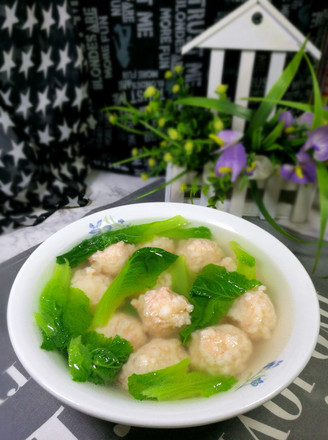
Shrimp & Cabbage Power: The Healthy & Versatile Soup You Need
There's nothing quite like a steaming bowl of soup to chase away the chill, soothe the soul, or simply provide a light yet satisfying meal. But what if that soup could also be a nutritional powerhouse, incredibly versatile, and bursting with fresh, vibrant flavors? Enter the magnificent combination of shrimp and cabbage, elevated to culinary art in a comforting bowl of
shrimp balls soup. This Asian-inspired staple is more than just a meal; it's a warm embrace that blends delicate protein with earthy greens, creating an experience that's both deeply comforting and refreshingly healthy. Whether you're a seasoned chef or a home cook looking to expand your repertoire, mastering this soup will undoubtedly enhance your culinary journey. Dive into the world of this delicious, nourishing, and infinitely customizable dish, which embodies the perfect balance of flavor and well-being. For more inspiration on this heartwarming dish, consider exploring
Asian Shrimp Balls Soup: A Healthy & Comforting Winter Meal.
The Dynamic Duo: Shrimp and Cabbage – A Nutritional Powerhouse
At the heart of this incredible soup lies its star ingredients: shrimp and cabbage. Separately, they are champions of health; together, they create a synergy that's hard to beat, making your
shrimp balls soup a truly remarkable meal.
Shrimp: A Lean Protein Marvel
Shrimp is a culinary darling for good reason. It's an exceptionally lean source of protein, making it fantastic for satiety without excess calories. Beyond its protein content, shrimp is packed with an impressive array of essential vitamins and minerals, including Vitamin B12, Vitamin D, Vitamin E, selenium, iron, and zinc. Selenium, in particular, is a potent antioxidant that supports immune function and thyroid health. Furthermore, shrimp boasts astaxanthin, a powerful antioxidant responsible for its vibrant pink hue, and provides beneficial omega-3 fatty acids, crucial for heart and brain health. Its quick cooking time and affordability also make it an incredibly practical and versatile protein choice for any home cook.
Cabbage: The Humble, Nutrient-Rich Green
Often underestimated, cabbage is a true nutritional gem and an antioxidant powerhouse. This budget-friendly vegetable is loaded with Vitamin C, Vitamin K, Vitamin B6, and folate. Its high fiber content is excellent for digestive health, promoting a healthy gut microbiome. Cabbage also contains unique compounds like polyphenols and glucosinolates, which have anti-inflammatory properties and are linked to protecting against certain diseases. Incorporating cabbage into your soup not only adds a delightful crunch and subtle sweetness but also contributes significantly to your daily intake of vital nutrients, supporting everything from heart health to bone strength.
Together, shrimp and cabbage create a balanced meal that is light yet satisfying, delivering essential nutrients, antioxidants, and a wonderful interplay of textures and flavors.
Crafting Culinary Perfection: Your Guide to Homemade Shrimp Balls
While pre-made options exist, nothing compares to the taste and texture of homemade shrimp balls. Making your own is surprisingly simple and elevates your
shrimp balls soup from good to absolutely sublime. Trust me, once you master these delightfully bouncy delights, you'll never look back! For a deep dive into achieving that perfect texture, refer to
Homemade Shrimp Balls Soup: Master the Perfect Bouncy Texture.
Essential Ingredients for Bouncy Shrimp Balls
- 1 pound fresh shrimp, peeled and deveined: Freshness is key for flavor and texture.
- 2 egg whites: Acts as a binder and helps create a springy texture.
- 2 tablespoons cornstarch: The secret to that signature "bouncy" chewiness.
- 1 teaspoon grated ginger: Adds a warm, aromatic spice.
- 2-3 green onions, minced: Provides a mild oniony bite and freshness.
- 1/4 teaspoon salt: Enhances flavor.
- 1/4 teaspoon white pepper: A subtle peppery warmth typical in Asian cuisine.
- 2 teaspoons sake (optional but recommended!): Adds a touch of sweetness, depth, and helps tenderize the shrimp. Mirin or a dry sherry can be a substitute.
Equipment You'll Need
- Food processor or a very sharp knife
- Large mixing bowl
- Parchment paper-lined tray
- Small ice cream scoop or two spoons
Step-by-Step Mastery: From Shrimp to Spheres
1.
Prep Your Shrimp: The Foundation of Flavor and Texture
First and foremost, meticulous preparation is crucial. Thoroughly clean and devein your shrimp. This ensures a clean flavor and no gritty surprises. The most critical step here is to
pat them absolutely dry with paper towels. Excess moisture can make the mixture too loose, affecting the balls' ability to hold shape and their final bouncy texture. If you're using very large shrimp, rough chop them into smaller pieces before processing.
2.
Choose Your Texture: Smooth or Chunky?
The texture of your shrimp balls is a matter of personal preference, and both yield delicious results.
- Smooth Texture: For a more refined, uniform ball, pulse the shrimp in a food processor until finely minced. Be careful not to overprocess, as this can turn the shrimp into a paste and result in a rubbery texture. You want a sticky, fine mince, not a purée.
- Chunky Texture: My personal preference for an authentic, satisfying bite! Hand-chopping gives you more control. Spread the prepped shrimp on a cutting board and chop them vigorously in two directions (e.g., vertical then horizontal) until you achieve a sticky paste with small, discernible chunks of shrimp. This creates a delightful textural contrast.
3.
Mix It Up: The Binding of Flavor
Transfer your processed or chopped shrimp into a large mixing bowl. Add the egg whites, cornstarch, grated ginger, minced green onions, salt, white pepper, and sake (if using). Mix everything thoroughly. You can use your hands (it’s messy but effective!) or a sturdy spatula. Mix until the ingredients are well combined and the mixture becomes notably sticky and cohesive. This stickiness indicates the proteins are developing, which is essential for the balls to hold their shape and develop that desired bounce.
4.
Form the Balls: The Art of Shaping
This is where technique truly matters. To prevent the mixture from sticking to your hands, slightly wet them with water. Scoop about 2 tablespoons of the shrimp mixture. Gently roll it between your palms to form a smooth, uniform ball. Place each finished ball on a parchment paper-lined tray. You should yield around 18-20 balls, depending on their size. Consistent sizing ensures even cooking.
Troubleshooting Tips for Perfect Shrimp Balls
- Balls won't hold shape? Your mixture might be too wet. Try adding a little more cornstarch, about a teaspoon at a time, mixing well after each addition until it firms up. Ensure your shrimp were thoroughly patted dry.
- Balls are rubbery? This often happens from overprocessing the shrimp or overmixing the finished paste. Aim for a sticky but still slightly textured mix.
From Ball to Bowl: Cooking Methods for Your Shrimp Balls Soup
Once your perfect shrimp balls are formed, it's time to cook them and integrate them into your delicious
shrimp balls soup. There are two primary methods, each with its own advantages:
Method 1: Direct Poaching in the Soup
This is often the most straightforward and popular method for homemade
shrimp balls soup.
- Bring your soup broth (which should be flavorful with aromatics like ginger, garlic, and perhaps a touch of soy sauce or fish sauce) to a gentle simmer. Avoid a rolling boil, as this can break apart the delicate balls.
- Carefully drop the formed shrimp balls into the simmering broth, one by one. Don't overcrowd the pot; cook in batches if necessary to maintain the broth's temperature.
- Cook for 3-5 minutes, or until the balls float to the surface, appear opaque throughout, and feel springy to the touch.
Advantage: This method allows the shrimp balls to infuse their delicate flavor directly into the broth, enriching the overall taste of your soup. It also means fewer dishes!
Method 2: Pre-cooking for Clarity and Control
If you desire a particularly clear broth or prefer to prepare the shrimp balls in advance, pre-cooking is an excellent option.
- Bring a separate pot of water to a gentle simmer. You can add a pinch of salt to the water.
- Gently drop the shrimp balls into the simmering water.
- Cook for 3-4 minutes, or until they float and are cooked through.
- Remove the cooked balls with a slotted spoon. You can add them directly to your simmering soup broth at the end of the cooking process, just before serving, or chill them for later use.
Advantage: This method ensures your soup broth remains exceptionally clear and pristine. It also gives you more control over the final texture of the shrimp balls if you're concerned about them overcooking in a longer-simmering soup.
Pro-tip: A quick ice bath after pre-cooking can stop the cooking process and maintain firmness if you're not adding them to soup immediately.
Assembling Your Ultimate Shrimp and Cabbage Soup
With your perfectly crafted shrimp balls ready, it's time to bring all the elements together to create a truly spectacular
shrimp balls soup. This is where the "cabbage power" comes fully into play, alongside a flavorful broth and a medley of other fresh ingredients.
The Heart of the Matter: The Broth Base
The foundation of any great soup is its broth. For an Asian-inspired shrimp balls soup, a good quality chicken or vegetable broth is ideal. Infuse it with robust aromatics:
- Fresh Ginger: Sliced or lightly crushed, adds warmth and a subtle zing.
- Garlic: Smashed cloves lend depth and pungency.
- Soy Sauce or Fish Sauce: For essential umami and salinity. Start with a modest amount and adjust to taste.
- Sesame Oil: A drizzle at the end adds a wonderful nutty aroma.
Simmer these ingredients together for at least 10-15 minutes to allow the flavors to meld beautifully before adding your main components.
Integrating Cabbage for Flavor and Crunch
Cabbage is not just a healthy addition; it brings a delightful texture and a mild, slightly sweet flavor that complements the shrimp.
- Type of Cabbage: Napa cabbage is traditional for its tender leaves and delicate flavor, but green cabbage or even savoy cabbage can be used for a slightly firmer texture.
- When to Add: Add your sliced or chopped cabbage towards the end of the soup's cooking process. This ensures it remains tender-crisp rather than becoming overly soft and mushy, preserving its vibrant color and nutritional integrity.
Versatility Beyond the Basics: Customizing Your Bowl
The beauty of
shrimp balls soup lies in its incredible versatility. Feel free to make it your own by adding a variety of vegetables, noodles, and garnishes.
- Veggies Galore: Beyond cabbage, consider thinly sliced carrots, shiitake or enoki mushrooms, tender bok choy, crisp snow peas, or even a handful of sweet corn kernels. Add harder vegetables earlier in the simmering process and softer ones later.
- Noodle Nirvana: Transform your soup into an even heartier meal by adding your favorite noodles. Rice vermicelli, thin egg noodles, or glass noodles are excellent choices. Cook them separately according to package directions and add them to the bowl before ladling in the hot soup, or cook them directly in the broth if preferred.
- Protein Boosts: While shrimp balls are the star, you could also add cubes of firm tofu, or even thinly sliced cooked chicken for an extra protein punch.
- Garnishes for the Finish: A sprinkle of fresh cilantro, extra green onions, a drizzle of chili oil for heat, or a squeeze of fresh lime juice can brighten and complete your soup.
Conclusion
The
shrimp balls soup, with its powerful duo of shrimp and cabbage, is a testament to how simple ingredients can create something truly extraordinary. It’s a dish that caters to both the body's need for nourishment and the soul's craving for comfort. From the lean protein and antioxidants of the shrimp to the gut-friendly fiber and vitamins of the cabbage, every spoonful is packed with goodness. The process of making your own bouncy, flavorful shrimp balls is a rewarding culinary adventure that promises a superior texture and taste. Whether enjoyed on a chilly evening or as a light, healthy lunch, this versatile soup invites endless customization, allowing you to tailor it to your exact preferences. So, embrace the power of shrimp and cabbage, get creative in the kitchen, and discover why this healthy and comforting soup is truly a meal you need.